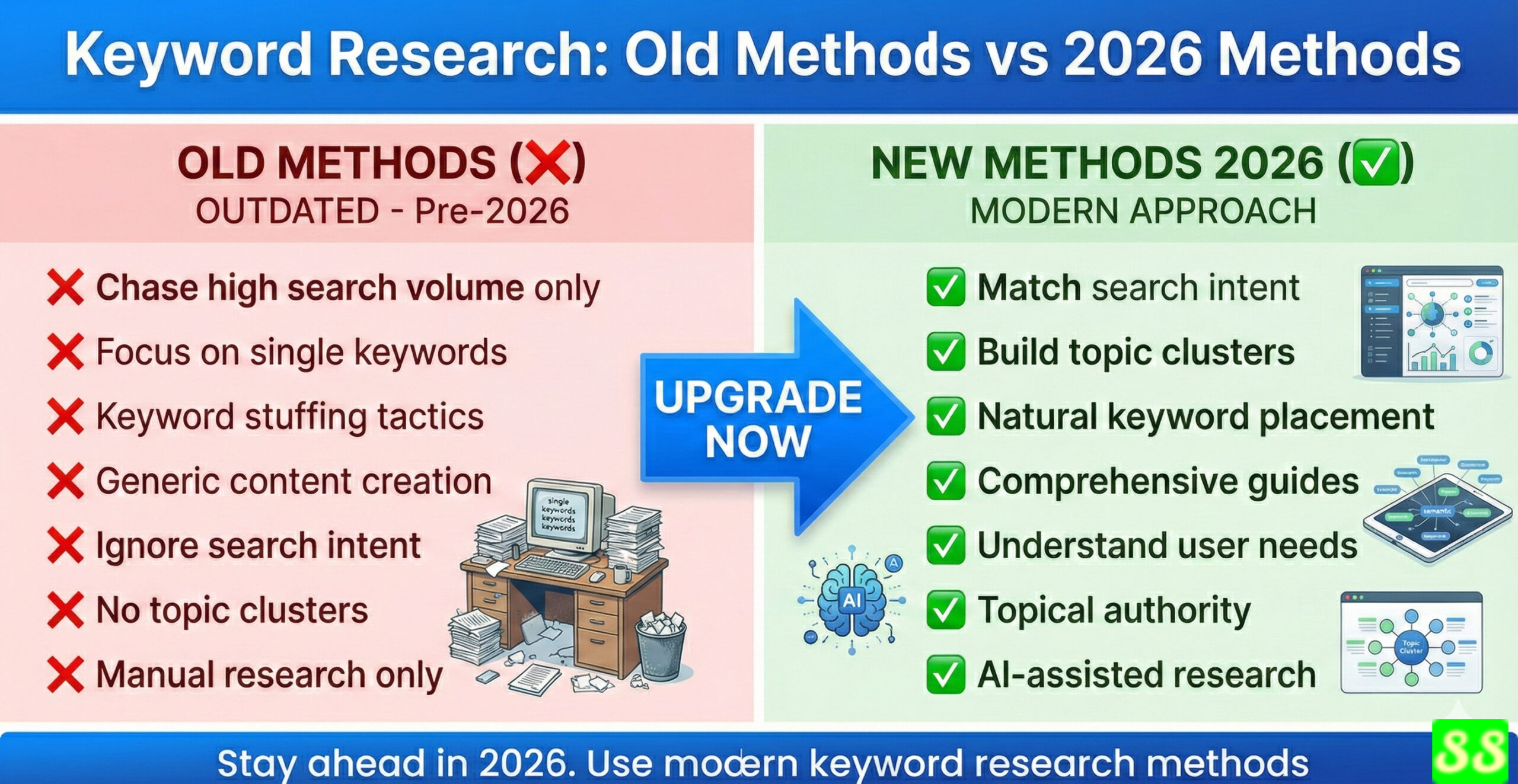
You are tired of writing blog posts that no one reads. You spend hours creating amazing content and hit publish. Then… nothing. Zero traffic. Zero engagement.
It’s time to face the facts: great content alone is not enough. You need content that is both Google-friendly and reader-friendly.
The good news is? It’s not rocket science to create SEO-friendly content. You don’t have to buy expensive tools or get a technical degree. This guide will show you how to create content which ranks well on Google, and drives organic traffic to your site.
Let’s dive in.
What is SEO Optimized content?
Content that is SEO optimized is created with both the search engines and the readers in mind. It provides answers to what people are looking for while still following Google’s ranking criteria.
Consider this: If someone searches for “how to make chocolate cake” and your article contains the best recipe, with clear instructions, then that is SEO optimized content. You are matching the user’s intent with quality content.
Regular content and SEO content:
- Regular content: You can write whatever you want.
- SEO content: Write what people search for
The difference is not only simple, but also powerful. SEO content is a great way to drive traffic because it solves problems that people are actively looking for online.
Understanding Search Intent
Before you write one word, consider why people are searching.
There are four different types of search intent.
1. Informational Intent People are looking to learn. Example: “What is SEO” or how does keyword research work.
2. Navigational Intent People are looking for a specific website. Example: “Facebook log in” or “Gmail”.
3. Transactional Intent People are looking to buy something. Example: “buy iPhone 15” or “best laptop deals”
4. Commercial Intent People research before buying. Example: “iPhone 15 vs Samsung S24” or “best SEO tools”
How do you identify user intent?
- Google’s top 10 search results for your keyword
- Note the content type (blog, product page, or video).
- Match your content with what is already ranking
Our topic “How to create SEO optimized Content” is clearly intended as an informational piece. People want to know how something works.
The Foundation for Keyword Research
Keywords are essential for SEO-optimized content. Keywords are the words or phrases that people use to search for information on Google.
How to find the right keyword:
Step 1: Start by writing down seed keywords Write topics related to your niche. Your seed keywords for SEO content might be: SEO writing (content optimization), rank on Google, or SEO writing.
Step 2: Use free keyword tool
- Google Keyword Planner (free when you have a Google Ads account).
- Ubersuggest (limited-free searches)
- AnswerThePublic (shows questions people ask)
- Google Search suggestions (type in your keyword and Google will suggest what it suggests)
Step 3 – Find long-tail keywords Long tail keywords are longer and more specific phrases. They have lower competition and higher conversion rates.
Example:
- Short-tail: “SEO content” (high competition)
- Long-tail: “How to write SEO content for beginners (lower competition).
Step 5: Check keyword difficulty Select keywords that you can rank for. As a novice, you should target keywords of low to medium difficulty.
Pro Tip: Check out the “People also ask” boxes on Google. These boxes are a goldmine of related keywords and ideas for content.
Content planning and structure
Once you’ve chosen your keywords, the next step is to create your content.
Create an outline: Begin with a clearly defined structure. Your outline should include the following:
- Introduction (hook the reader immediately)
- The main points (3-5 sections)
- Supporting details (examples, tips, data)
- Final Recap (and Call to Action)
The ideal content length is 2000-2500 words for keywords with high competition. Content that is longer tends to be ranked higher because it goes into greater depth on the topic. Remember, however, that quality always wins over quantity.
Use heading hierarchy: Organise your content using proper headings
- H1: Use only once for your main title
- H2: Main sections (your main themes)
- H3: Subtopics within H2 sections
- H4: Additional breakdown if necessary
The structure of your content helps Google and readers understand the flow.
Write SEO-Friendly Content
The fun part is now writing the content.
Keyword placement strategy: Use these places to place your main keyword:
- Title (H1 tag).
- Your first 100 words of introduction
- There should be at least two H2 headings
- All over the body naturally
- Your conclusion
- Image alt text
Natural Keyword Integration: Don’t force keywords. First, write for people and then optimize your content for search engines.
Example: “SEO optimized Content is Important.” Learn SEO content techniques to create SEO optimized content.
Good example: “SEO optimized content helps your blog rank higher. You can attract more organic traffic by creating content with search engine optimization in mind.
Tips for content readability:
- Simple words and short sentences
- Use active voice when writing
- Divide long paragraphs
- Add transition words (however, consequently, additionally)
- Simple explanations of technical terms
Using LSI Keywords: LSI keywords (Latent Semantic indexing) are related terms which support your main keyword.
LSI keywords for “SEO optimized content” include:
- Search engine optimization
- Content Ranking
- Organic traffic
- On-page SEO
- Keyword search
Sprinkle them naturally in your content.
On-Page SEO Elements
These technical elements will boost the SEO performance of your content.
Title Tag Optimization: Your tag appears in Google’s search results. Include your main keyword and make it compelling.
Formula: Main keyword + benefit + year (if relevant) Example “How to create SEO optimized content: 2025 guide”
Keep your text under 60 characters to avoid Google cutting it off.
Meta description best practice: The short text that appears under your title is the meta description. It doesn’t affect rankings directly, but it does impact click-through rates.
Write 150-160 Characters that:
- Include your main keyword
- What will readers learn?
- Add a call to action
“Learn to create SEO optimized content on Google.” Guide with keyword research, writing techniques, and optimization techniques.”
URL structure Keep URLs concise, descriptive, and keyword rich.
Good: yoursite.com/create-seo-content Bad: yoursite.com/p=12345?post=blog
Image optimization: images improve user experience, but can slow your site down.
- Compress images before uploading.
- Use descriptive file names: seo-content-guide.jpg (not IMG_1234.jpg)
- Add alt text to describe the image: “Step by step diagram of SEO content creation”
External and internal linking:
- Internal links: Link 3-5 other relevant posts from your website
- External links: Link to at least 2-3 high-authority websites (Google, Wikipedia or industry leaders).
Links help Google understand and improve your content.
Content Formatting for Better Reading
Online, people scan content. Make it easy to read.
Short paragraphs. Keep paragraphs between 2-4 sentences. Long blocks of text can turn readers off.
Bullets and numbered list: Lists help to digest information by breaking it up into smaller chunks. Use them for:
- Steps of a Process
- Tips and strategies
- Features and Benefits
- Takeaways
Use bold and italic text:
- Bold important words and phrases (don’t go overboard)
- Use italics to emphasize or introduce new terms
White Space Importance: Don’t crowd your content. White space gives your readers a break from the content and makes it feel less overwhelming.
Technical SEO Basics for Content
You don’t have to be a programmer, but you should understand the basics.
Page Speed Optimization: Slow pages hurt rankings and frustrate users. You can speed up your website by:
- Compressing images
- Use a good web hosting provider
- Minimizing plugins
- Enabling browser cache
Google PageSpeed Insights is a free tool that will test your page speed.
Mobile-Friendliness: More than 60% of searches are done on mobile devices. Your content must be readable on mobile devices and tablets.
Google’s Mobile Friendly Test tool will let you know if your website is mobile friendly.
schema markup: schema markup is code which helps Google better understand your content. It can provide rich snippets of information in search results.
For blog posts, add Article Schema. Many SEO plugins, like Yost or Rank Math, do this automatically.
Measuring content performance
Measurement is essential to improving your business.
Google Analytics metrics Track important numbers
- Google organic traffic
- Bounce Rate (people who leave immediately).
- Average time spent on page
- Pages per session
Google Search console insights: This tool is free.
- What keywords drive traffic?
- Search results average position
- Click-through rates
- Pages with Issues
Tracking rankings: Monitor keyword rankings every week. Ubersuggest and SEMrush are tools that help you track changes in position.
Be patient. SEO takes time. It takes 3 to 6 months for most content to achieve its full ranking potential.
Avoid these common SEO content mistakes
These common mistakes are worth learning from.
Keyword stuffing. Repetition of keywords in an unnatural way can harm your ranking.
Bad: “Our SEO service is the best SEO service because we offer SEO services which include SEO.”
Simply write as you normally would.
Copying content from another site: Do not copy content. Google penalizes duplicate content. Create original content.
Neglecting user experience: Search engine optimization isn’t all about rankings. Google will know if people don’t like your content by looking at metrics such as bounce rate and time spent on the page.
Short content: Posts under 300 words rarely rank. Give comprehensive and valuable information to fully answer the query.
Content Promotion and Distribution
The first step is to create great content. Now you need to promote it.
Social Media Sharing: Share Your Content on:
- LinkedIn (great for B2B content)
- Twitter (use relevant hashtags
- Facebook groups (join communities in your niche)
- Create pins using your content link on Pinterest
Email Marketing: Create an email list to notify subscribers when new content is published. Email traffic signals Google that your content has value.
Guest posting Write articles on other blogs that are in your niche. Include a backlink to your content. This will build backlinks and drive referral traffic.
Your SEO Content Checklist
Verify these items before hitting publish:
The main keyword is in the title, first paragraph and H2 headings. Meta description is written (150-160 character) and includes the keyword. Images are compressed and have alt texts.
Conclusion
It’s not difficult to create SEO optimized content. Follow this simple procedure:
- Keywords that people actually search for
- Understanding what searchers are looking for (search intent).
- Create comprehensive and well-structured content
- Optimize the on-page elements: title, meta, images
- Format for easy reading
- Promote your content
- Measure and improve
SEO is a game of patience. You may not see immediate results, but continue to create quality content. Over time, your authority will grow and you’ll see organic traffic increase.
Start with a single post. Use these techniques. Track your results. Then, create more.
Yesterday was the best day to start. The second-best time to start is today.
Download our free PDF SEO Content Checklist to start ranking on Google right away.
Have questions about SEO content creation? Please leave a comment and I will help you!
About SEOSlog: We help beginners master SEO through practical, easy-to-follow guides. Subscribe to our newsletter for weekly SEO tips delivered to your inbox.