
Are You Starting or Expanding Blogging or Looking to Earn Online Income From Home? If this sounds familiar, look no further! In this comprehensive guide I will show you step-by-step how to begin blogging and build an impressive site from scratch.
Blogging has quickly become one of the best online earning options today, with thousands of bloggers earning thousands every month from blogging. And beginners find blogging relatively effortless; all they require for success is guidance. In this guide, you will discover:
How to start a blog (complete technical setup)
How to write content that ranks on Google
How to increase blog traffic
How to make money from blogging
So let’s start and understand the complete blogging journey.
What is Blogging?
Blogging is a platform online where you can share your thoughts, ideas and experience. A blog is essentially a site that you regularly update your posts and articles.
For beginners to blog it is crucial to be aware of two kinds of blogs:
Personal Blog: Where you share your personal experiences, life thoughts, and stories with your readers.
Professional Blog: Where you write informative content on a certain area and earn a profit from it.
Most successful bloggers begin with professional blogs since they can earn more money.
Benefits of Starting a Blog
The process of starting a blog can bring incredible advantages:
Earn Money Online: You can earn a decent income from your at home via blogging. It takes time at the beginning but after your blog has been set up it can generate passive income.
Demonstrate Your Expertise: Through blogging you can be an expert in your area of expertise. People start to recognize that you are an authority.
Flexible working: You can work from any location, at any time. You don’t have to travel to work every day.
Low Cost of Investment: Starting a blog is as easy as $50-100. It doesn’t require any major capital or investment.
Creative Freedom: You are your own boss. You decide what you create and when you should release.
Planning Before Starting a Blog
A well-planned blog is the most crucial step to be successful with blogging for those who are new to blogging. If you begin with a blog without having a plan you’ll face difficulties later.
How to Choose Your Blog Niche
A niche is the specific subject or category you’ll write about. The choice of the appropriate niche is essential for the success of your blog.
Be Passionate: Select a topic that you are passionate about. If you enjoy cooking and food, you can start a food-related blog. If you love technology, start a tech blog.
Find out the market demand: Your subject should have a good volume of searches. Utilize tools like Google Trends to check if people are searching for your subject.
Competitive Analysis: Check how many blogs are already within your niche. A high level of competition indicates that the niche is lucrative, however you must have unique content.
Monetization Opportunities: Are you able to earn money in this area? Find out if there are affiliate products, programs or services that relate to your subject.
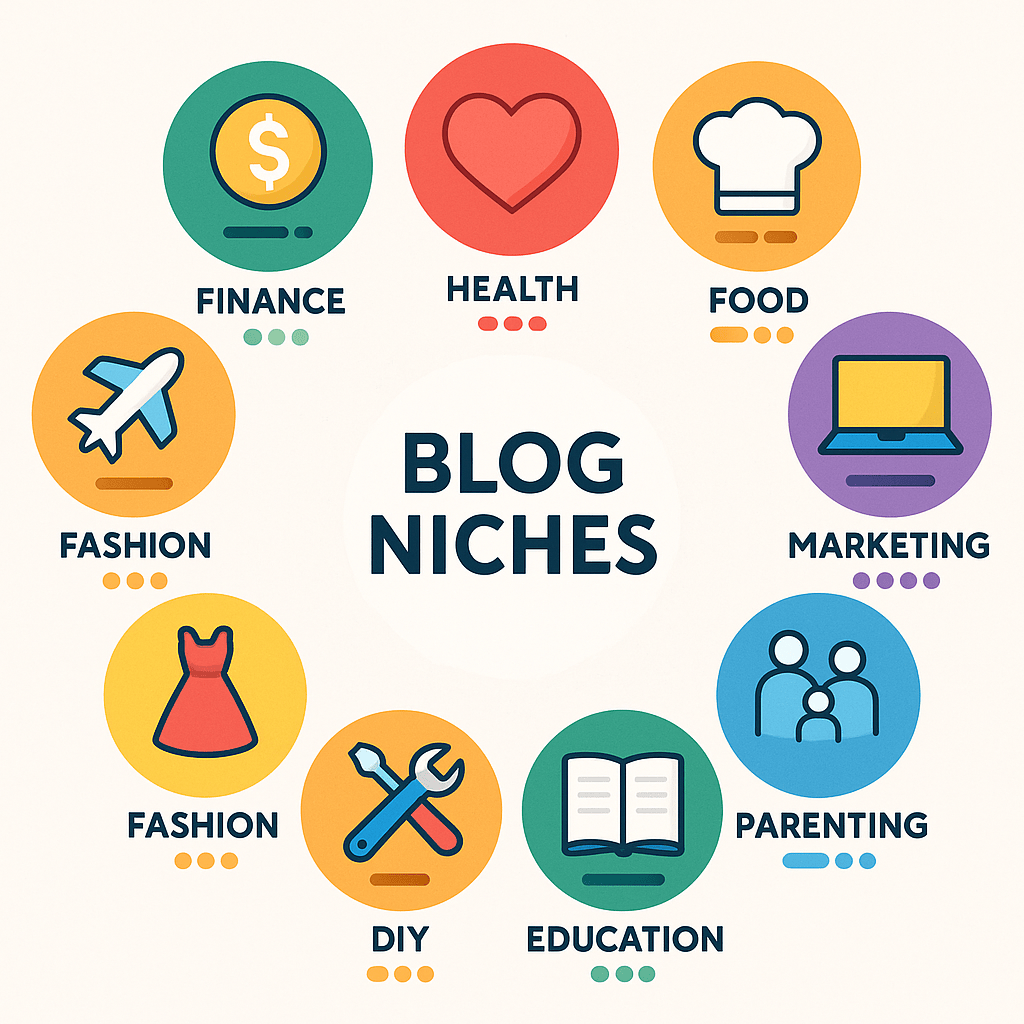
Popular Blog Niches for Beginners:
- Personal financial and savings on money
- Fitness and health
- Food and recipes
- Lifestyle and travel
- Technology and gadgets
- Digital marketing
- Family and parenting
Understanding Your Target Audience
Before you begin your blog, it is essential to know who will be reading your blog posts. This is known as the identification of your target audience.
Ask These Questions:
- What readers are you looking for?
- What issues do they face?
- What solutions can you offer?
- What kind of age group do they belong to?
- What is their educational level?
If you know your readers, you can create content that addresses their needs. This can help build an audience that is loyal to you.
Technical Setup: How to Start a Blog
The next step is the technical aspect of blogging for novices. It’s not as difficult than you imagine. Follow these easy steps.
Step 1: Choose a Blogging Platform
The first step is choosing the appropriate blogging platform. There are a variety of options:
WordPress.org (Self-Hosted): This is the best choice for bloggers who are serious. It gives you full control of your blog. The majority of professional bloggers utilize WordPress.
Blogger: This is Google’s free blogging platform. It is great for hobby bloggers, but has it has a few limitations for revenue.
Medium It is a great platform for writers to focus solely on writing. But you don’t have the platform.
Wix or Squarespace: Easy website builders, but expensive for blogging.
Recommendation: For blogging for beginners who are looking to make money from it, WordPress.org is the best option. It is customizable, SEO-friendly and has infinite possibilities for monetization.
Step 2: Get Domain Name and Hosting
Domain names are the address of your blog online (like www.yourblog.com). Hosting is the location where the blog’s files are located.
How to Choose a Domain Name:
- Keep it short and simple.
- Use your niche keyword if possible
- Avoid hyphens and numbers.
- Select .com extension if it is available
- It is easy to spell and remember
Best Hosting Providers for Beginners:
- Bluehost (recommended for WordPress)
- HostGator
- SiteGround
- Hostinger
Cost: You can get hosting and domain together for about $3-5 a month. Hosting companies often offer discounts for first-year customers.
Step 3: Install WordPress
The majority of hosting providers provide single-click WordPress installation. Here’s a simple procedure:
- Log into the control panel for your hosting (cPanel)
- Find the WordPress installer icon
- Click on Install WordPress
- Enter your site’s name and admin details.
- Click Install button
- Wait for 2-3 minutes
- Your WordPress blog is now up and running
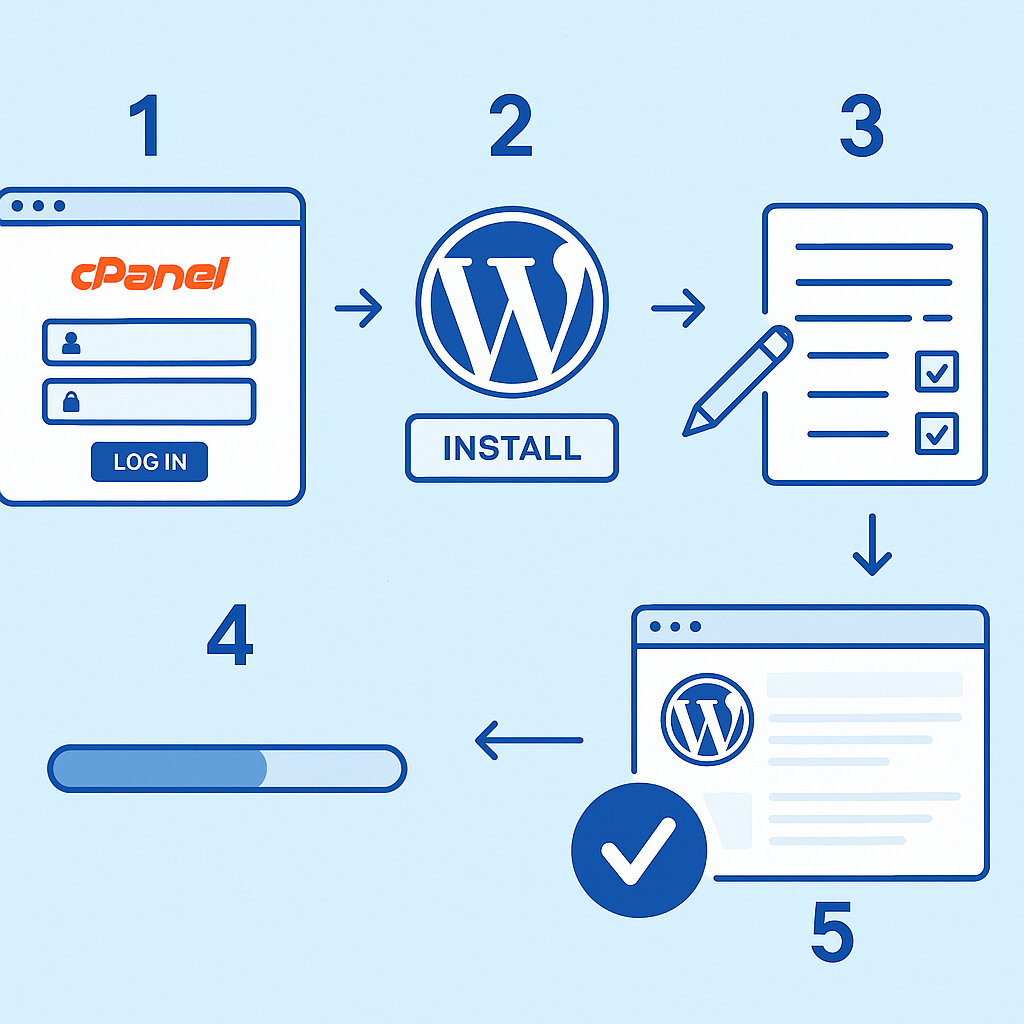
After installation, you’ll be provided with admin login information. Go to www.yourblog.com/wp-admin and log in.
Step 4: Choose and Install a Theme
The theme you choose to use determines the appearance of your blog. WordPress provides thousands of paid and free themes.
How to Install a Theme:
- Visit Appearance > Themes on the WordPress dashboard
- Click on Add New
- Find themes to download or search for premium themes
- Click Install, then activate.
Best Free Themes for Beginners:
- Astra
- GeneratePress
- OceanWP
- Neve
Theme Selection Tips:
- Choose a responsive mobile theme
- Select the theme that loads fast.
- Review and rate the theme
- Make sure that the theme is regularly updated
Step 5: Install Essential Plugins
Plugins provide additional functions for the WordPress blog. For those who are new to blogging the following plugins are essential:
SEO plugin: Yoast SEO or Rank Math (helps your blog get ranked on Google)
Security Plugin Wordfence Security (protects your blog from hackers)
Backup Plugin: UpdraftPlus (creates automatic backups)
Speed Plugin WP Rocket or W3 TotalCache (makes your blog more efficient)
Contact Form: WPForms (lets readers contact you)
How to Install Plugins:
- Go to Plugins > Add New
- Search for the name of the plugin
- Click Install Now
- Click Activate
Do not use excessive plugins. Only install the essential ones as too many plugins can slow down your website.
Creating SEO-Friendly Content
Content is the mainstay of blogging. Content that is well-written and informative will bring traffic to your site and can help to earn money. For beginners to blogging writing SEO-friendly content is essential.
Understanding SEO Basics
SEO is Search Engine Optimization. This is the method that helps your website’s content appear higher in Google results.
Why SEO is Important:
- 75% of people do not get past the one page on Google
- A higher rank means that there is more traffic
- A higher volume of traffic means greater potential earnings
- SEO provides free organic traffic
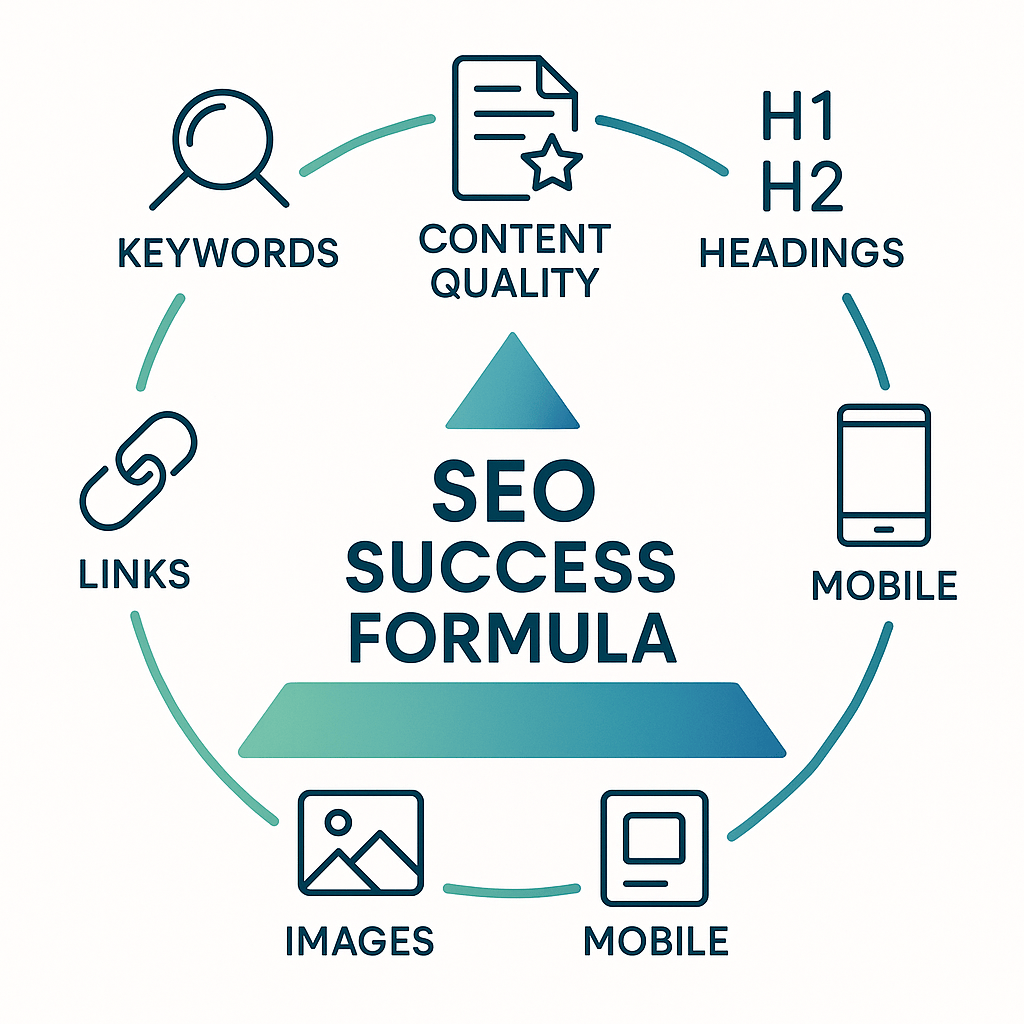
Basic SEO Elements:
- Keywords research and use
- Writing quality content
- Proper heading structure
- External and internal links
- Image optimization
- Mobile-friendly design
Keyword Research for Blog Posts
Keywords are words that people use in Google to search for information. Keyword research can help you determine the topics you can write about.
How to Do Keyword Research:
Utilize free tools such as Google Keyword Planner, Ubersuggest or AnswerThePublic.
Steps:
- Select your principal subject
- Check the volume of searches (how many people use Google each month)
- Examine the difficulty of your keyword (how difficult is it to rank)
- Look for keywords with a long tail (3-4 word phrases)
- Choose keywords with a good number and low level of competition.
Example: Instead of targeting “blogging” (very competitive) instead, focus on “blogging for beginners in 2025” (less aggressive).
Keyword Density Utilize your keyword 5-8 times throughout an article of 1500 words. Avoid using keywords too often as it will harm SEO.
Writing High-Quality Blog Posts
The quality of content is what makes readers want to read your blog. Here are some suggestions for writing blog posts that are great:
Create catchy headlines: Your headline should draw attention. Use numbers or questions, or powerful words. Example: “10 Proven Ways to Start Blogging Successfully.”
Write a clear introduction: First paragraph should describe what readers will learn. Engage readers by presenting interesting information or questions.
Use Short Paragraphs: Keep paragraphs 2-3 sentences long. Short paragraphs are simple to read on mobile devices.
Use a simple language Write as if you were talking to someone you know. Avoid jargon and complex words. For beginners, blogging is about keeping simple.
Subheadings can be added: Break content into sections using H2 and H3 headings. This makes content easily scannable.
Provide examples: Real-life examples make your content believable and trustworthy.
Utilize Bullet Points The use of bullet points and lists makes information easier to understand.
Include Images: Include relevant images like screenshots, infographics or screenshots. Images help make content visually appealing.
Write Long Content: Google loves detailed content. Try to write at least 1500-2000 words for topics that are important to you.
End with a Conclusion: Summary of the key points and include an appeal to action (ask readers to make comments or to subscribe).
Optimizing Content for SEO
After you’ve written your blog article Optimize it for search engines:
Title Tag: Include your main keyword in the title. Limit it to 60 characters.
Meta Description: Write a summary of your blog post (150-160 characters) with keywords included.
URL Structure: Keep URL short and include a keyword. Example: yourblog.com/blogging-for-beginners
Use Headings in a Proper Way: Use only one H1 tag (your title). Use H2 for main sections, and H3 for sub-sections.
Internal Linking: Link to your other blog posts within your content. This keeps visitors on your website longer.
External Linking: Link to 2-3 credible websites. This will show Google that your content has been thoroughly researched.
Alt Text for Image: Text description to images that have keywords included.
Add Table of Contents If you have long articles add an interactive table of contents in the top.
Increasing Blog Traffic
Once you have published content, you will need readers. Traffic generation is crucial to blogging for beginners to be successful.
Search Engine Optimization (SEO)
We’ve already covered the basics of SEO. Here are some additional tips to boost your Google rankings:
Publishing regularly: Post new content at least 3 times every week. Consistency is important.
Update Old Posts Make sure to regularly update old posts with fresh information. This will improve your ranking.
Improve Website Speed Websites that are fast rank higher. Utilize caching and compression plugins.
Mobile Optimization: Most traffic comes from mobile. Make sure your site looks nice on smartphones.
Create Backlinks Link to other websites on your blog. Guest posting is an excellent method to increase backlinks.
Social Media Promotion
Social media platforms help you reach more people quickly.
Best Platforms for Bloggers:
- Facebook groups (join niche-related groups)
- Pinterest (great for food, fashion, DIY blogs)
- Twitter/X (share blog updates)
- LinkedIn (for professional topics)
- Instagram (visual content promotion)
Social Media Tips:
- Make sure to share every blog post across all platforms
- Create attractive graphics using Canva
- Engage with your followers frequently
- Be part of relevant communities and assist people
- Don’t just promote, provide value
Email Marketing for Bloggers
Marketing via email is the most effective instrument for bloggers. Your email list is your personal audience that you can control.
How to Build Email List:
- Add a sign-up form for email on your blog.
- Provide free resources (ebook template, checklist,)
- Create pop-ups (use the OptinMonster plugin)
- Provide exclusive content for subscribers
Email Marketing Tools:
- Mailchimp (free for up 500 subscribers)
- ConvertKit (made for bloggers)
- GetResponse
Send bi-weekly or weekly newsletters to your subscribers, containing the latest news and helpful tips.
Guest Posting Strategy
Guest posting is the act of writing posts for blogs that are in your area of expertise. This allows you to connect with new audiences.
Benefits of Guest Posting:
- Get quality backlinks for your blog.
- Enhance the authority of your blog
- Reach new readers
- Establish connections with fellow bloggers
How to Start Guest Posting:
- Find niche blogs that will accept guest posts.
- Check out their guidelines for guest posts
- Pitch unique topic ideas
- Write content of high-quality and quality.
- Include a link to your blog on the author bio
Earning Money by Blogging
The next step is the most exciting making cash via your blog. There are many ways to make money from your blog.
Google AdSense
Google AdSense displays ads on your blog and you earn a commission when people click on them.
Requirements:
- At at least 6 months old blog
- 20-30 quality articles are published
- Excellent circulation (500or more visitors per day is recommended)
- Original content without copyright violation
How to Apply:
- Go to google.com/adsense
- Submit your blog for review
- Wait for approval (takes 1-2 weeks)
- Include ad codes on your blog.
- Earn your first money
Earnings Based on your field of expertise and traffic. Average earnings are $1-5 for every 1000 page views.
Affiliate Marketing
Affiliate marketing is the most lucrative method of monetizing your blog for beginners. You sell products and earn commission on sales.
How Affiliate Marketing Works:
- Join affiliate programs
- Get unique affiliate links
- Write product reviews or write recommendations
- Include affiliate links in the content
- Earn commissions when someone buys
Best Affiliate Programs:
- Amazon Associates (promote any Amazon product)
- ShareASale (thousands of products)
- CJ Affiliate
- ClickBank (digital products)
- Niche-specific programs
Affiliate Marketing Tips:
- Only promote products that you have used
- Write honest reviews
- Disclose affiliate relationships
- Focus on solving problems with readers
- Make comparison posts, as well as buying guides.
Sponsored Posts
Businesses will pay you to write about their products and services.
How to Get Sponsored Posts:
- Create good traffic (5000plus monthly visitors)
- Create a media kit that includes your blog’s statistics
- Join the influencer networks.
- Contact brands directly
- Create a blog listing on marketplaces for sponsored posts
Price: Beginners can charge $50-200 for sponsored posts. When your blog gets bigger, you are able to charge more.
Selling Digital Products
Make and market your own items. This can give you the maximum profits.
Digital Product Ideas:
- Guidebooks and ebooks
- Online courses
- Templates and printables
- Stock images or graphics
- Access to the site for members
Platforms to Sell:
- Gumroad (easy to use)
- Teachable (for courses)
- WooCommerce plugin (on your blog)
Offering Services
Make use of your blog to showcase your knowledge and provide services.
Service Ideas Based on Niche:
- Writing for freelance
- Consulting
- Coaching
- Web design
- SEO services
- Management of social media
Create a “Work with Me” or “Hire Me” page on your blog, describing your rates and services.
Common Blogging Mistakes to Avoid
Making mistakes can help you get better at blogging for beginners.
Not having clear goals: Set specific goals such as “publish 50 posts in six months” or “earn $500 per month by the end of the year.”
Doing SEO a disservice: Many beginners write without SEO optimization. Learn SEO basics right from the beginning.
Regular posting: It is essential to be consistent. Create a content calendar and stick to it.
Copying Content: Never copy content from other websites. Google penalizes duplicate content.
Inignoring Analytics Install Google Analytics to monitor your traffic and learn about what’s working.
Don’t Give Up Too Quickly: Blogging takes time. The most successful bloggers took between 6 and 12 months to see results.
Not Building an Email List: Start collecting emails from the beginning. Your most valuable asset.
Bad Design: Make sure your blog is professional looking and user-friendly.
Blogging Success Tips
Here are some proven ways to speed up your blogging newbies:
Be patient: Success won’t come in a flash. Be consistent in your efforts.
Learning Continuously: Blogging evolves constantly. Follow the top bloggers and learn new strategies.
Join Bloggers’ Network: Join blogging communities and build connections. Collaboration helps growth.
Examine Competitors: See what successful blogs in your area are doing. Study them.
The focus is on quality: One amazing post is more valuable than five standard posts.
Engage with readers: Reply to comments and emails. Create relationships with your readers.
Investment in Your Blog: As you earn you earn, invest in more powerful tools, hosting and training.
Monitor Your Progress: Keep track of earnings, traffic and milestones. Celebrate small victories.
Conclusion
Beginning blogging in 2025 is among the best choices you could make. For those who are new to blogging, it can be intimidating initially but with this comprehensive guide, you’ll will have all the information you require to get started.
Keep in mind these important points:
- Choose a profitable niche you’re passionate about
- Create your blog using WordPress with a reliable hosting
- Create high-quality, SEO-friendly content frequently
- Promote your content on multiple channels
- Earn money through a variety of income streams
- Be patient and consistent.
The ideal time to begin blog writing was yesterday. The second best time to start blogging is today. Start now and begin your blog journey. Your next self will be grateful you.
If you’ve got any concerns about beginning your blog, do not hesitate to leave your comment below. I read and respond to every comment.